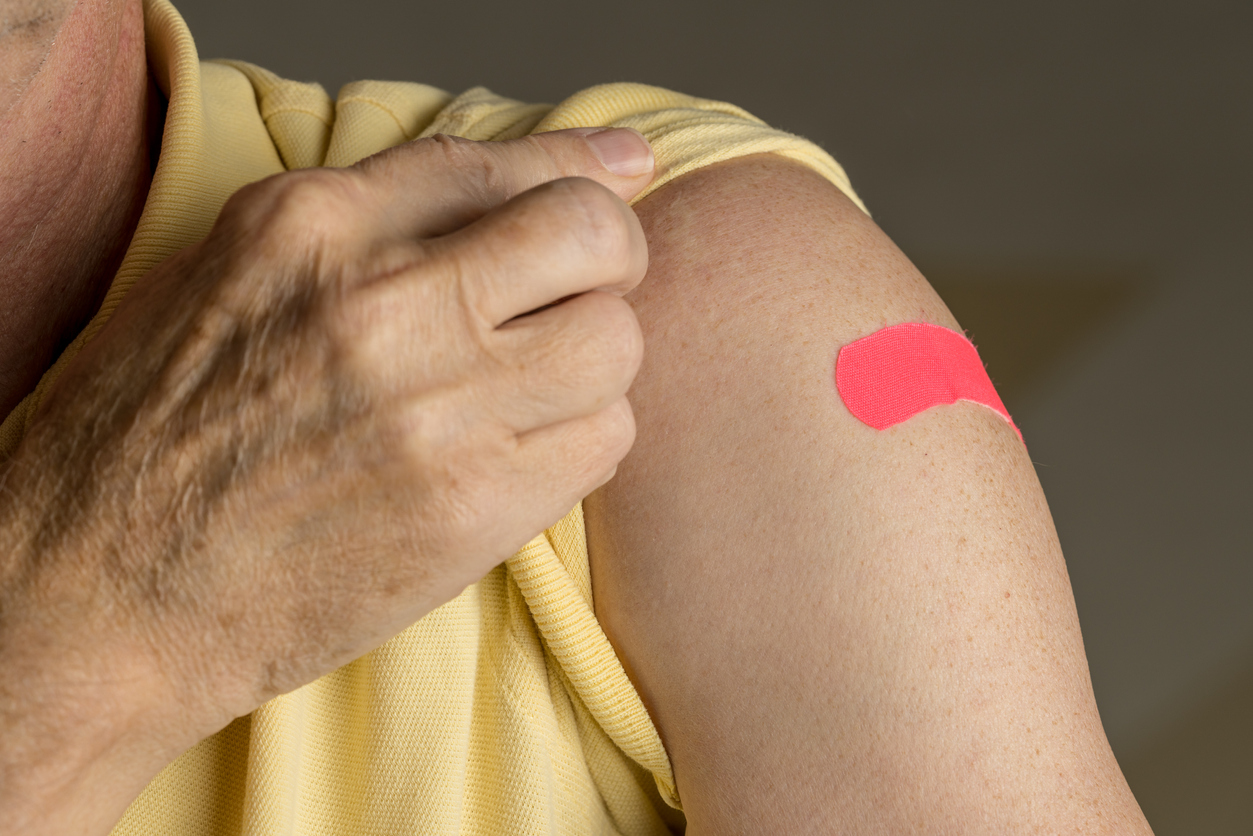
FIP’s Regulators’ Forum presented a new regulatory vaccination preparedness self-assessment tool and risk assessment. Foundational regulatory needs were presenteded to ensure oversight, quality assurance and public protection as the scope of pharmacist’s patient care is expanded to include prescribing, vaccination and testing in order to address population health needs during a pandemic. A brief overview of the data collected by FIP on the role of pharmacists in vaccinations and other FIP documents was also presented.

Pharmacists’ involvement in COVID-19 vaccination: Addressing regulatory needs
Page: Vaccination
Introducing the FIP ‘Transforming Vaccination Globally, Regional and Nationally’ 2021: Accelerating equity, access and sustainability through policy development and implementation
Episode 1, the digital programme’s Opening Event, will set the stage for the entire programme. Together we will revisit the key outcomes of the Transforming Vaccination 2020 programme, specifically focusing on the outcomes relating to shaping policy around equity, access and sustainability and how they are shaping the FIP vaccination agenda for 2021. We will also describe this year’s programme, outline its key aims and objectives as well as outcomes. This special programme opener is for anyone invested in transforming and shaping vaccination in pharmacy!
Joining forces across health professionals towards improved vaccination coverage
Vaccination coverage rates for several diseases are suboptimal and remain below WHO targets in many countries of all income levels. As such, FIP considers that it is essential to promote dialogue and understanding around these perceptions among healthcare professionals’ organisations at the international level, so that these can be cascaded to the regional, country and local levels.
Equity, access & sustainability through life’s ages and stages: Enabling a life course-approach to vaccination
Episode 2 takes a life-course approach to discussing vaccination. The panelists will focus on age and explore vaccines equity and access through life’s ages and stages – from childhood (including pregnancy) to later adulthood – from a pharmacy perspective. They will focus on setting out the policy issues and immediate next steps, determining what pharmacy needs to do to singularly affect the most change in this area.
Developing Effective Pharmacy-led Vaccination Campaigns
The World Health Organization lists vaccine hesitancy—concerns related to vaccination or outright refusal to receive vaccines despite availability—as one of the top ten threats to global health in 2019. This threat is evidenced by recent outbreaks of vaccine preventable diseases in many high-income countries and the sheer volume of disinformation circulating regarding the recently approved vaccines against novel Sars-Cov-2 virus.
Often times, “one-size-fits-all” vaccine promotion efforts can backfire when presented to individuals who are already sceptical of vaccines. This event will outline evidenced-based strategies for developing pharmacy-led immunization campaigns which communicate the value of vaccines to specific patient groups in order to build vaccine confidence and improve uptake.
Vaccinations and the genders: Examining inequities in gender access and handling of vaccinations globally to inform pharmacy policy
Episode 3 examines inequities in gender access to vaccines to inform pharmacy policy. Various angles to vaccinations and the gender will be discussed including general gender access, terms of empowering women as caregivers to support vaccinations, the impact of COVID-19 on gender inequity, and the issues around gender inequity in the workforce (which is especially important to discuss in 2020 Year of the Health Worker).
An overview of current pharmacy impact on immunisation. A global report (2016)
An overview of pharmacy’s impact on immunisation coverage. A global survey (2020)
This report contains the findings of FIP’s latest survey (2020) of pharmacy’s impact on immunisation coverage. It evaluates different aspects of pharmacist-led immunisation, including advocacy and awareness activities, regulatory frameworks, vaccine administration, reimbursement models, training and certification, vaccination records, and limitations and barriers to the expansion of pharmacy practice to include vaccine administration. A total of 99 countries and territories participated, making this the most comprehensive report published on this subject to date.
Give it a shot: Expanding immunisation coverage through pharmacists (2020)
This resource offers practical guidance on implementing a vaccination service and sets out the roles and technical requirements for pharmacy-based vaccines-related services
FIP Vaccination Handbook for Pharmacists (2021)
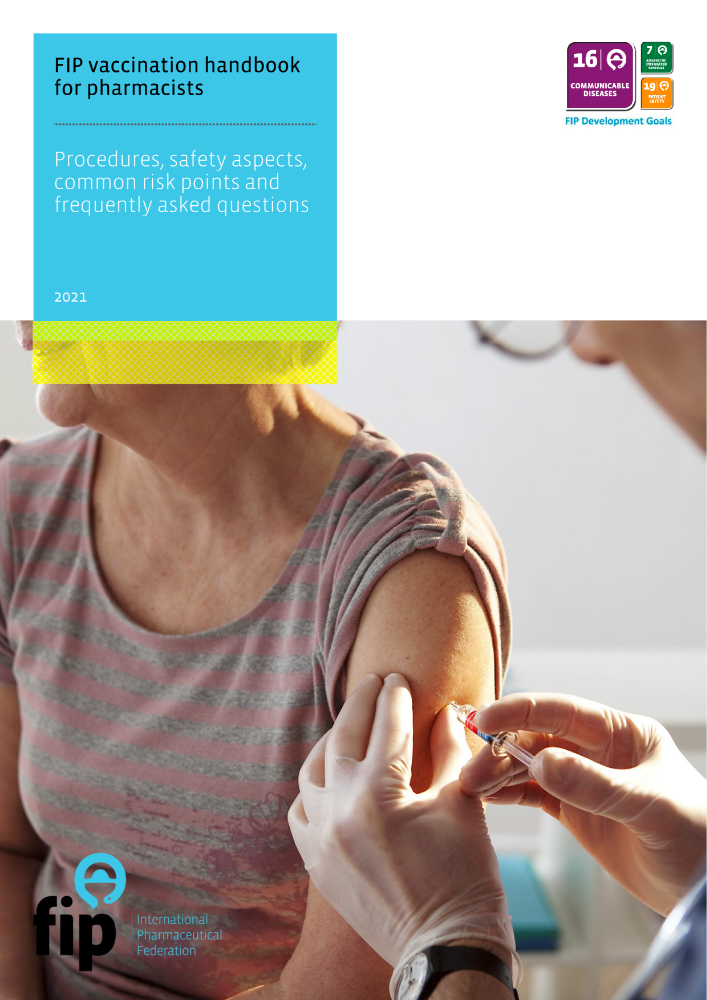
With this publication, FIP aims to support individual pharmacists with understanding how they can contribute to improving vaccination coverage through services ranging from patient education and advice, to logistical roles and the administration of vaccines. This handbook provides guidance on the practical implementation of these services and includes guidelines on the procedures, safety aspects, common risk points and frequently asked questions about vaccines and their administration.
