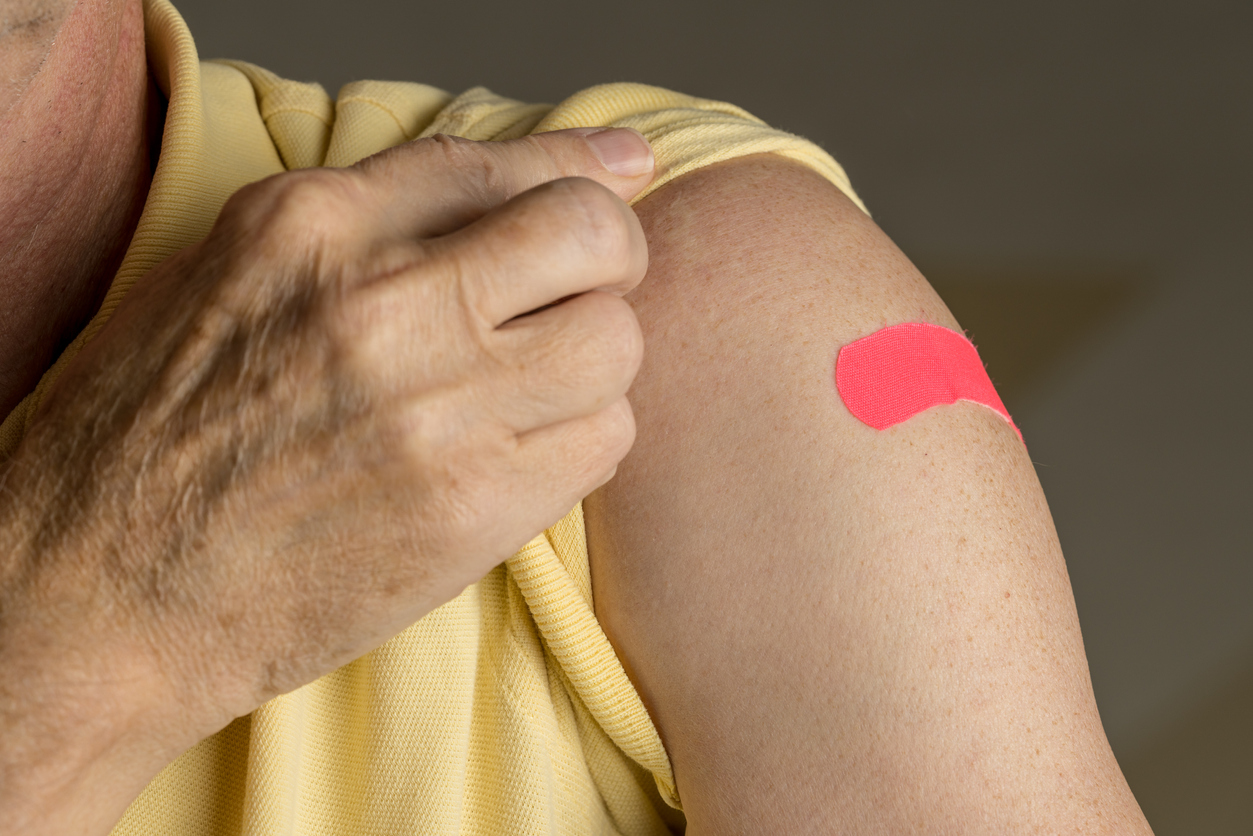
The importance of vaccines creates opportunities for pharmacists and pharmacies to contribute to improving vaccination coverage. Since the publication of FIP’s 2020 report on vaccinations highlighting the role of pharmacists and pharmacies in this area, there has been a significant expansion in pharmacy-based vaccination and the scope of vaccines delivered by pharmacists and the pharmacy workforce. To kick off World Immunisation Week, this digital event will provide an overview of that expansion for tetanus, diphtheria, acellular pertussis booster, COVID-19, and meningitis vaccines. Moreover, it will allow participants to hear from countries in various stages of advocating for a broader role for pharmacists in vaccination.

Advocating for the role of pharmacists in diphtheria-tetanus-pertussis booster, COVID-19, and meningococcal meningitis vaccinations
Page: Vaccination
Influenza Diabetes Community
Founded in 1998, The European Scientific Working group on Influenza and other Respiratory Viruses (ESWI) is a network organisation that aims to reduce the burden of influenza and other acute respiratory viruses in Europe. The Influenza Diabetes Community is a focus area for ESWI and serves as a virtual reference center, containing materials supplied by the IDC members on the importance of influenza vaccination for people with diabetes.
People with diabetes still face a higher risk for influenza and its complications. National and international guidelines therefore advise that diabetes patients be annually vaccinated against influenza. More information can be found in the Influenza Diabetes Community website.
FIP is a member of the IDC since 2020. This gives us the opportunity to voice and advocate for the role that pharmacists can play both in immunisation and in the care of people living with diabetes. It also gives us access to an interdisciplinary forum of experts in this area, which supports FIP in advancing our work on these topics.
Construir a confiança nas vacinas e comunicar o seu valor. Um manual para farmacêuticos. (2021)
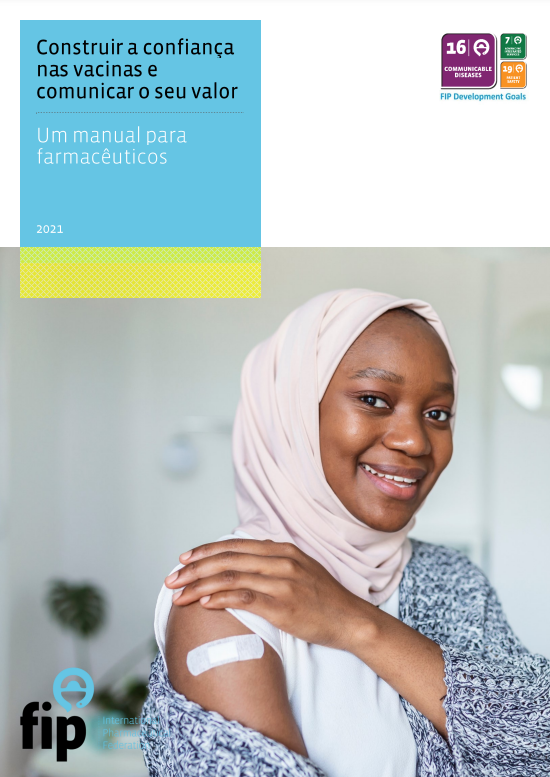
Esta publicação identifica razões comuns de preocupação ou hesitação relacionadas com a segurança e eficácia das vacinas e propõe abordagens eficazes para as abordar de diversas formas através de campanhas lideradas pelas farmácias e através de interacções com pacientes individuais.
Advocating expansion of the pharmacist’s role in immunisation: A focus on diphtheria-tetanus-pertussis booster, COVID-19 and meningitis vaccinations (2022)
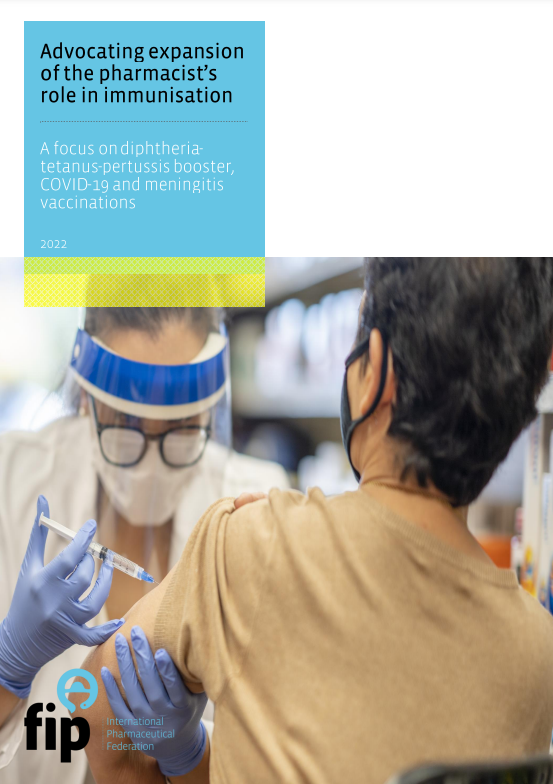
Pharmacists are contributing to expanded immunisation coverage globally, thereby reducing illness and deaths from vaccine-preventable diseases. The report provides intelligence on the current status of these services in 36 countries that have regulated pharmacy-based vaccination services to identify pharmacists’ current role in DTP booster vaccination, COVID vaccination and meningococcal meningitis vaccination. The new data shows that their role has expanded since the publication of a previous FIP report in 2020. This increase has been driven in part by the need for urgent and mass vaccination as a result of the COVID-19 pandemic, the report authors say. In addition, vaccination authority policy development, stakeholder engagement and acceptance of pharmacists’ role, logistics development, and education and training were highlighted as being necessary if pharmacists’ role in vaccination services is to be leveraged further.
FIP commitment to leveraging pharmacists to build vaccine confidence and address vaccine hesitancy and complacency (2022)
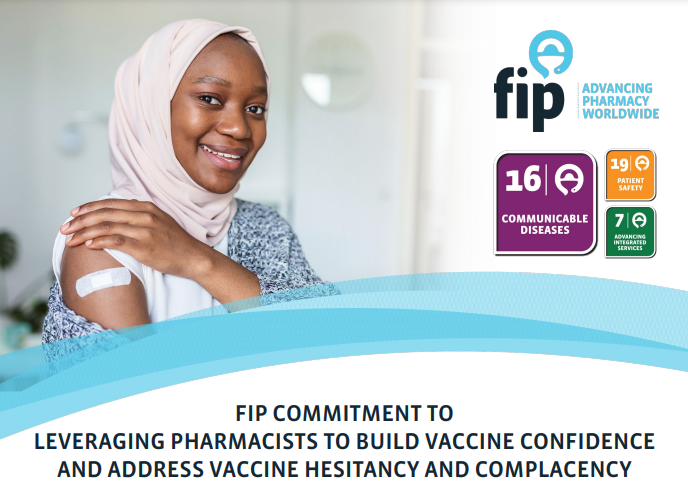
Vaccine hesitancy – concerns related to vaccination or outright refusal to receive vaccines despite availability – is a major threat to global health and an important barrier to the success of vaccination strategies worldwidei. Barriers such as misinformation and distrust in vaccines can compromise not only the health of individuals but also public health as a whole.
The International Pharmaceutical Federation (FIP), which brings together 146 organisations of pharmacists, pharmaceutical scientists and pharmaceutical educators, and represents over four million pharmacists from around the world, believes it is essential that pharmacy and other civil society organisations join forces and outline synergistic and complementary advocacy actions for broader access to and convenience of vaccination services through a diversity of providers and pathways, and to address vaccine hesitancy from multiple perspectives.
The commitment is available in the following languages:
- English: https://www.fip.org/file/5386
- French: https://www.fip.org/file/5387
- Portuguese: https://www.fip.org/file/5388
- Spanish: https://www.fip.org/file/5389
Enabling multiprofessional vaccine prescribing and administration for improved uptake rates: Eastern Mediterranean Region
In many countries, vaccination coverage rates are suboptimal, and vaccination services are largely focused on childhood. Goals to expand vaccination pathways include to have more and more easily accessible vaccination points, and more professionals who can deliver the service to more people and offer evidence-based advice on vaccines. This event will discuss the drivers and barriers to interprofessional understanding, cooperation and task sharing in the area of vaccination in each region, and the regulatory authority granted to different healthcare professionals to prescribe and/or administer vaccines.
Enabling multiprofessional vaccine prescribing and administration for improved uptake rates: Southeast Asian Region
In many countries, vaccination coverage rates are suboptimal, and vaccination services are largely focused on childhood. Goals to expand vaccination pathways include to have more and more easily accessible vaccination points, more professionals who can deliver the service to more people and offer evidence-based advice on vaccines. This event will discuss the drivers and barriers to interprofessional understanding, cooperation and task sharing in the area of vaccination in the region, and the regulatory authority granted to different healthcare professionals to prescribe and/or administer vaccines.
Permettre la prescription et l’administration multiprofessionnelles des vaccins pour améliorer les taux de prise en charge: Région africaine
Dans de nombreux pays, les taux de couverture vaccinale sont sous-optimaux et les services de vaccination sont essentiellement axés sur l’enfance.
Les objectifs visant à développer les parcours de vaccination consistent notamment à disposer de points de vaccination plus nombreux et facilement accessibles, d’un plus grand nombre de professionnels capables de fournir le service à un plus grand nombre de personnes et d’offrir des conseils sur les vaccins fondés sur des données probantes.
Permitir la prescripción y administración multiprofesional de vacunas para mejorar las tasas de vacunación: Región de las Américas
En muchos países, las tasas de cobertura de vacunación no son óptimas, y los servicios de vacunación se centran principalmente en la infancia. Los objetivos para ampliar las vías de acceso a la vacunación incluyen disponer de más puntos de vacunación de fácil acceso, más profesionales que puedan prestar el servicio a un mayor número de personas y ofrecer asesoramiento basado en la evidencia sobre las vacunas. En este evento se debatirán los factores que impulsan y obstaculizan el entendimiento interprofesional, la cooperación y el reparto de tareas en el ámbito de la vacunación en la región, así como la autoridad normativa concedida a los distintos profesionales sanitarios para prescribir y/o administrar vacunas.
Enabling multiprofessional vaccine prescribing and administration for improved uptake rates: African Region
In many countries, vaccination coverage rates are suboptimal, and vaccination services are largely focused on childhood. Goals to expand vaccination pathways include to have more and more easily accessible vaccination points, more professionals who can deliver the service to more people and offer evidence-based advice on vaccines. This event will discuss the drivers and barriers to interprofessional understanding, cooperation and task sharing in the area of vaccination in the region, and the regulatory authority granted to different healthcare professionals to prescribe and/or administer vaccines.
